Wine Making Material: Beginner's Guide
Start with the fruit, then decide what to add
Wine making material is a dry phrase for a simple idea: everything that goes into the vessel besides the yeast. For a first homemade wine, that usually means grapes or grape juice, or a prepared concentrate, and then a short list of additions that have a job. The job might be to adjust acid, to help a ferment finish, to protect the wine from air, or to add tannin or oak. If a material does not have a job, it does not need to be in the pail.
A common myth is that a "secret ingredient" is what separates a good house wine from a mediocre one. In practice, the fruit sets the ceiling, sanitation keeps the floor from falling out, and additions are small, measured corrections. Another myth is that more of every powder on the shop shelf will make a richer wine. Extra sugar, extra tannin, and extra sulfite are not decorations. Used badly, they are how a batch turns harsh, stuck, or hard to drink.
This is a beginner's map of materials, not a recipe book and not a set of invented doses. When a kit or a tested recipe gives you an amount for your batch size, use that amount. When it does not, measure first, then decide, or leave the addition out.
The main choices: fruit, juice, concentrate, or a prepared kit
These four starting points are all wine making material. They are not equally messy, and they are not equally predictable.
| Starting material | What you are actually buying | What you will have to manage | Where beginners get surprised |
|---|---|---|---|
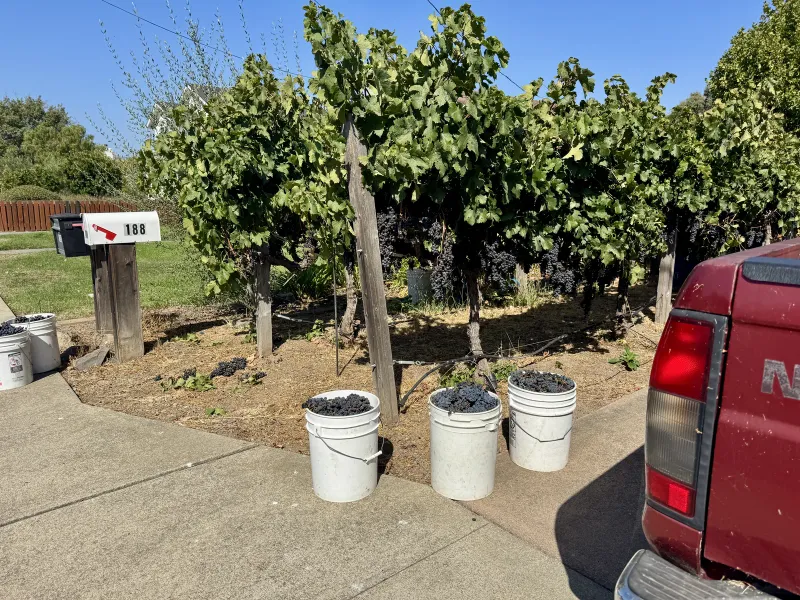
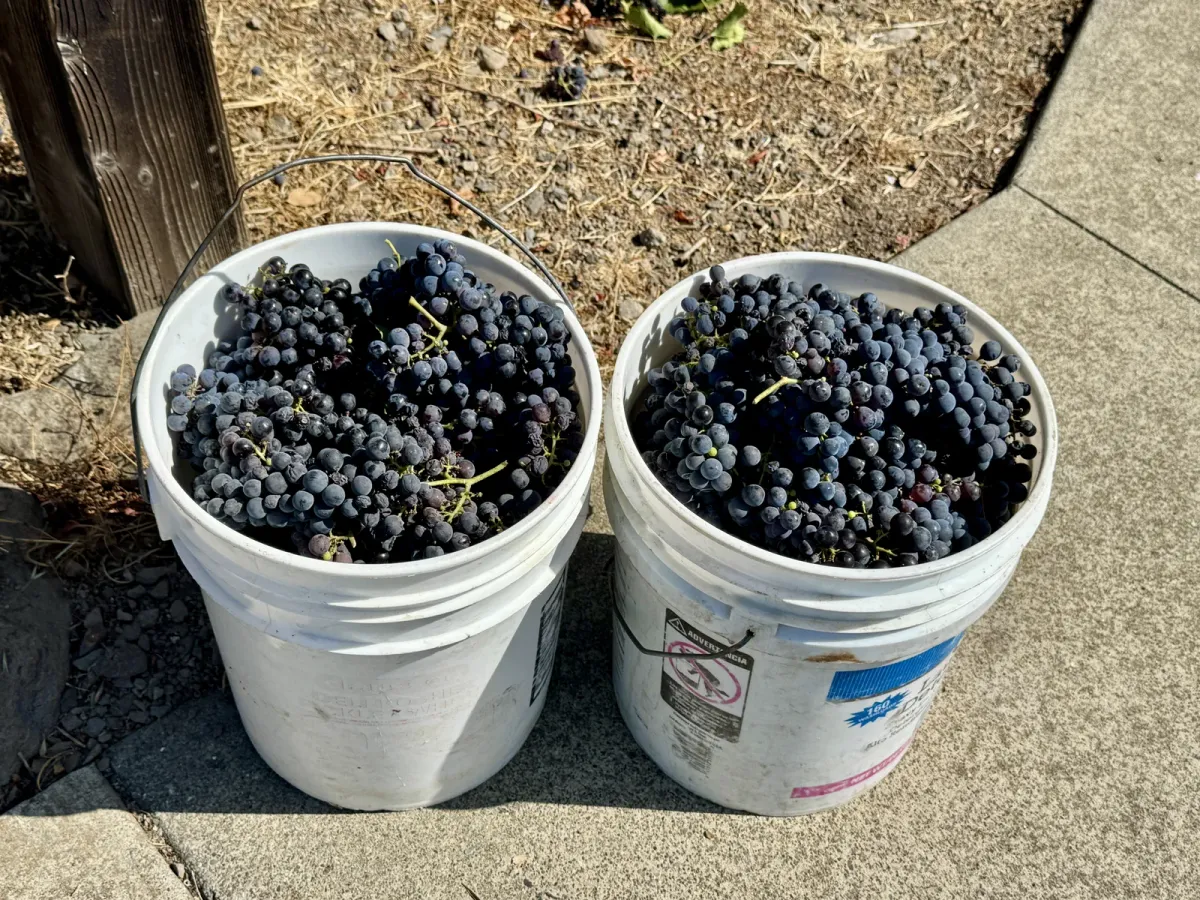
| Fresh grapes | Whole fruit you must crush and press, with skins and stems to decide about | Time, space, and a plan for skins, pulp, and cleaning | Volume is hard to guess until the fruit is pressed; quality varies with the season |
| Fresh juice | Juice already separated from the skins, sometimes from a local press | Acidity, sugar, and whether the juice was sulfited already | A "sweet" juice is not automatically a complete wine must |
| Concentrate | Reduced grape juice you will usually dilute with water | Water quality, the dilution the producer expects, and the date on the can or bag | Heat-damaged concentrate and unclear dilution instructions |
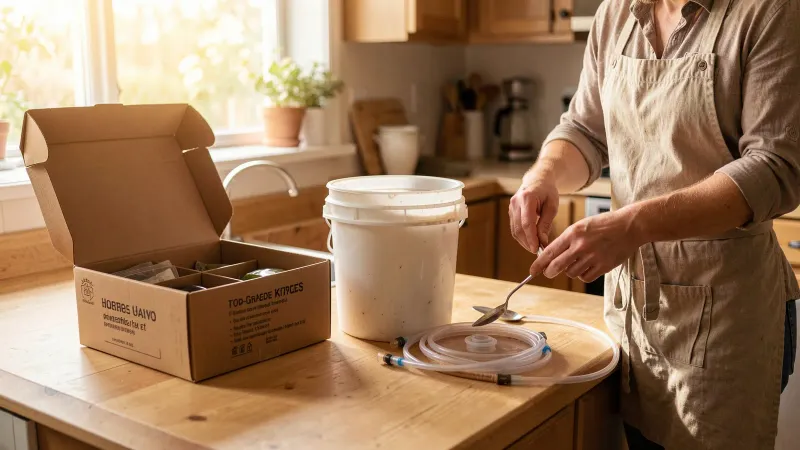
| Ingredient kit | A pre-measured set of juice or concentrate plus timed additives | Following the booklet, and not adding a second full set of the same materials | Treating the kit as a base to "improve" with extra sugar or random powders |
Water is a material too, if you are diluting concentrate or a kit that expects water. Use drinking-quality water, and avoid a supply with a strong chlorine smell if you can. If your tap water is heavily chlorinated, many home winemakers use a drinking water they already trust, rather than guessing at a chemical fix.
Shop labels such as "Chilean Malbec juice" or a regional concentrate name can be useful clues to style. They are not a guarantee of the glass, and they are not a reason to skip a starting gravity reading.
Additions that have a job, and ones that often do not
Sugar. Some musts are low in sugar and will finish at a low alcohol level if you leave them alone. Adding sugar changes that, and it also changes how the yeast has to work. If you are using a kit, the sugar is already accounted for. If you are working from fruit or juice, a hydrometer reading tells you where you started. Do not add sugar "for luck."
Acid. Grapes and other fruits vary. A wine that tastes flat may be low in acid; a wine that tastes sharp may be high. Test kits for acidity exist for a reason. Guessing a heavy acid addition from a forum post is a good way to make a wine you will not want to bottle. If you do adjust, use a product meant for wine, measure for the volume in the vessel, and keep a note.
Tannin and oak. Tannin can add structure, especially in fruit wines that start soft. Oak can add flavor and some structure. Both are easy to overdo, and neither will rescue poor fruit. If a kit already includes oak or tannin, adding a second dose is rarely an improvement.
Yeast nutrient. Grape juice is often a complete enough diet. Many other fruits, and some concentrates, are not. Nutrient is a material with a job when the yeast would otherwise starve. It is not a second helping of yeast, and a kit that already includes nutrient should not automatically get another full dose on top.
Sulfite. Campden tablets and other potassium metabisulfite products are used, carefully and at the times a recipe or kit specifies, to help protect juice or wine. They are not a substitute for sanitation, and they are not something to dump in "to be safe." Follow the dose for your batch size, and keep the container dry and labeled.
Pectic enzyme. Some fruit wines, especially those made from fleshier fruit, benefit from an enzyme that helps juice run and later helps the wine clear. If your material is already a clear grape kit, you may not need it. If the recipe calls for it, use it at the stage the recipe names.
What usually does not belong in a first must: random kitchen spices in unmeasured handfuls, leftover bread yeast, and household chemicals that are not sold as wine making material. If you cannot name the job, leave it on the shelf.
A beginner's checklist before anything goes into the vessel
- You know whether you are starting from fruit, juice, concentrate, or a kit, and you have read the process that matches that starting point
- The fruit or juice smells clean, and a concentrate or kit is in date and has not been stored hot
- You have drinking-quality water if the process requires dilution
- You have a hydrometer and will write down the starting gravity
- Every addition you plan to use has a stated job and a dose for this batch size
- You are not stacking a second full set of nutrient, tannin, or sulfite on top of a kit that already includes them
- Vessels, spoons, and hoses are clean and will be sanitized before they touch the must
- You have checked the federal household cap and any stricter state or local rule
- The finished wine will be for personal or family use and will not be sold
If the fruit is already slipping into rot, no later addition will make it into a fine wine. Start with sound material or wait.
How to handle materials without turning the kitchen into a lab
Work in the order the process requires. Some additions belong in the juice before a ferment starts. Some belong later, once the wine is dry or nearly dry. Adding a finishing sulfite or a sweetening sugar at the wrong time can restart a ferment in the bottle or leave you with a wine that never quite settles.
Keep powders dry, labeled, and away from children and pets. Measure over a separate cup, not over the open fermenter, so a slip does not dump the whole container into the must. Use the same notebook for materials and gravity. Six months later, "I think I added some tannin" is not a useful record.
Temperature is not a material, but it changes how materials behave. Hold the vessel in the range the yeast can work in, and let the additions do the quieter work they were added for.
Federal limits still apply, whatever the starting material
Whether you begin with grapes, juice, concentrate, or a boxed kit, the batch is homemade wine under federal rules administered by the Alcohol and Tobacco Tax and Trade Bureau. An adult may produce wine for personal or family use, and not for sale, without paying federal excise tax, up to 100 gallons per calendar year if one adult lives in the household, or 200 gallons if two or more adults live there. For this rule, an adult is 18 or older, unless a stricter local age for buying wine applies.
The wine may be removed for personal or family use, including a contest or tasting, and it may not be sold or offered for sale. State and local law can be stricter than the federal exemption. The official text is in 27 CFR 24.75, and the bureau explains home production in its Wine FAQs. Count the finished volume of each batch toward the household cap for the calendar year.
Questions beginners ask about wine making material
Can I make wine from supermarket grape juice?
Sometimes, if the juice is suitable for fermentation and you treat it as a must, not as a breakfast drink you happened to yeast. Many supermarket juices have been processed in ways that make a ferment sluggish or leave a thin wine. If you try it, take a starting gravity, use a wine yeast, and do not expect a vineyard result. A kit or a juice sold for winemaking is the more predictable material.
Do I need every additive on the home-brew shelf for a first batch?
No. Buy the materials your fruit, juice, or kit actually calls for. A long row of unopened packets is not a sign of seriousness. It is a sign of a shopping trip that got ahead of a plan.
Is distilled water the best water for diluting concentrate?
Not automatically. You need clean, drinking-quality water. Some people prefer a still drinking water they already use in the house. You do not need to invent a special treatment. Avoid water with a strong off smell, and follow the dilution the concentrate or kit is built for.
How do I know if I should add sugar or acid?
Measure first. A hydrometer reading tells you about starting sugar. An acid test tells you more than a single sip of raw juice. If you are working from a kit, the producer has already made those decisions. If you are working from fruit and you are unsure, it is better to make a smaller batch and keep notes than to add large, unmeasured corrections.